Designing Homes for Extreme Weather: Heat, Flood, Wind, and Climate-Resilient Construction Strategies
Weather patterns are becoming more unpredictable in many parts of the world. Longer heatwaves, heavier rainfall, stronger storms, and changing seasonal conditions are creating new challenges for homeowners and builders. A house that was comfortable and safe decades ago may not perform as well under today’s environmental pressures.
Climate-resilient home design focuses on creating properties that can better handle extreme weather while remaining comfortable, energy-efficient, and durable. Instead of only repairing damage after disasters happen, modern construction strategies aim to reduce risks before they occur.
From stronger building materials to smarter energy systems, climate-resilient construction combines practical design decisions with advanced technology to help homes survive difficult conditions.
What Is Climate-Resilient Home Design?
Climate-resilient home design means planning and building a property that can withstand environmental challenges while maintaining safety, comfort, and functionality.
A resilient home is designed around local risks. A house in a hot region may require different solutions compared to a property located in a flood-prone or storm-heavy area.
Important factors include:
- Local climate conditions
- Building location and landscape
- Material selection
- Drainage systems
- Insulation quality
- Structural strength
- Energy efficiency
- Emergency preparedness
The goal is not to create a completely weatherproof building, but to reduce damage and improve recovery when extreme conditions occur.
Designing Homes for Extreme Heat
Extreme heat is one of the biggest challenges facing homeowners. High temperatures increase cooling costs, reduce indoor comfort, and place additional stress on air conditioning systems.
High-Performance Insulation
Proper insulation helps maintain stable indoor temperatures by reducing heat transfer between the outside environment and the interior space.
A well-insulated home stays cooler during hot weather because less heat enters through walls, roofs, and ceilings. It also reduces energy consumption because cooling systems do not need to operate as frequently.
Common insulation options include:
- Spray foam insulation
- Mineral wool
- Fiberglass insulation
- Rigid foam boards
- Reflective insulation materials
The right choice depends on climate, building structure, and budget.
Cool Roofing Systems
Traditional roofs can absorb large amounts of solar heat, increasing indoor temperatures. Cool roofing materials are designed to reflect more sunlight and absorb less heat.
Examples include:
- Reflective roof coatings
- Light-colored roofing materials
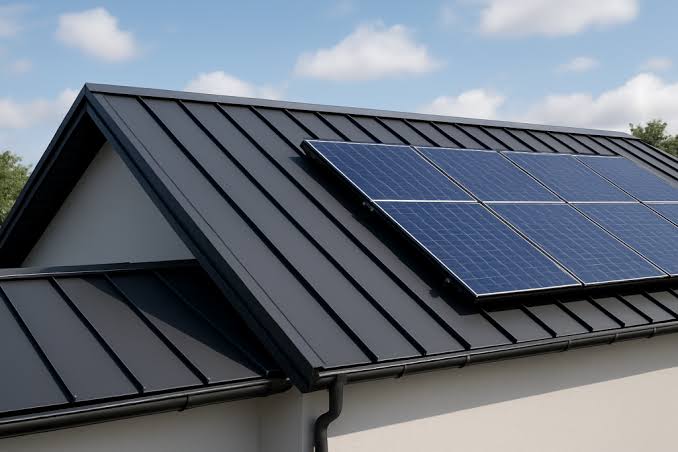
- Metal roofing with protective finishes
- Energy-efficient roof membranes
A cooler roof can improve indoor comfort and reduce cooling expenses during hot seasons.
Passive Cooling Design
Good design can reduce dependence on mechanical cooling systems. Passive cooling strategies include:
- Proper window placement
- Natural ventilation pathways
- Exterior shading
- Overhangs and covered areas
- Thermal mass materials
For example, strategically placed windows can encourage airflow while reducing direct sunlight exposure during the hottest hours.
Protecting Homes Against Flood Damage
Flooding is one of the most destructive forms of extreme weather because water can damage foundations, electrical systems, walls, flooring, and personal belongings.
Better Drainage Planning
Effective water management begins outside the home. Proper drainage helps move water away from the structure.
Important features include:
- Sloped landscaping
- Functional gutters
- Downspout extensions
- Drainage channels
- Rain gardens
Small improvements in water flow management can prevent major problems during heavy rainfall.
Flood-Resistant Materials
Material selection plays an important role in flood resilience. Some traditional materials absorb water and become difficult to repair after flooding.
More suitable options may include:
- Water-resistant flooring
- Concrete or masonry walls
- Moisture-resistant drywall alternatives
- Stainless steel fixtures
- Closed-cell insulation
The objective is to reduce water absorption and make cleanup easier after flooding.
Elevating Critical Systems
In flood-prone areas, placing important systems higher can reduce damage.
Homeowners and builders may consider elevating:
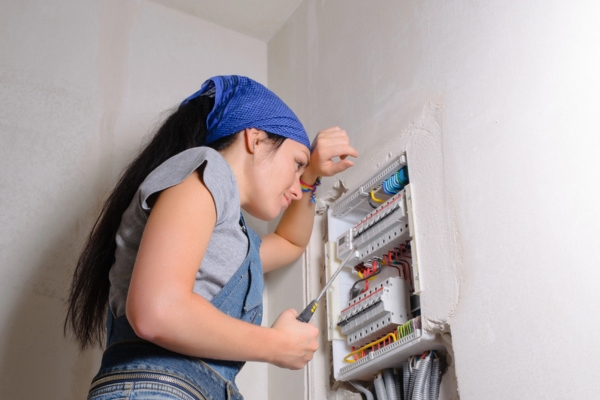
- Electrical panels
- HVAC equipment
- Water heaters
- Backup batteries
- Smart home controllers
Keeping essential systems away from potential water exposure improves safety and reduces repair costs.
Building Homes That Resist Strong Winds
High winds from storms and hurricanes can damage roofs, windows, doors, and exterior structures. Wind-resistant construction focuses on creating stronger connections throughout the building.
Strong Roof Connections
The roof is one of the most vulnerable parts of a home during severe storms. Stronger roof installation methods can help prevent sections from lifting during high winds.
Important improvements include:
- Reinforced roof attachments
- Quality fasteners
- Strong roof-to-wall connections
- Impact-resistant roofing materials
A well-connected structure performs better under pressure.
Impact-Resistant Windows and Doors
Windows and doors are common weak points during storms. Broken openings can allow wind and rain to enter the home, increasing internal damage.
Options include:
- Impact-resistant glass
- Reinforced frames
- Storm shutters
- Strong exterior doors
These features can improve protection during severe weather events.
Choosing Climate-Resilient Building Materials
Materials have a major impact on how a home performs over time. Modern construction increasingly focuses on durability rather than only appearance.
Some climate-resilient materials include:
Fiber Cement Siding
Fiber cement siding is popular because it can resist moisture, insects, and temperature changes better than some traditional materials.
Engineered Wood Products
Modern engineered wood can provide structural strength while offering better consistency than some natural wood products.
Concrete and Masonry
Concrete-based materials provide excellent durability against fire, wind, and moisture when properly designed and installed.
Recycled and Sustainable Materials
Many homeowners are also considering environmentally responsible materials that reduce waste while improving building performance.
The Role of Smart Technology in Climate Protection
Technology is becoming an important part of modern resilient homes. Smart systems can monitor conditions and provide early warnings.
Examples include:
- Water leak detection sensors
- Smart thermostats
- Weather monitoring systems
- Automated window controls
- Energy management systems
- Backup power monitoring
A connected home can respond faster when conditions change.
For example, a smart water system may automatically shut off supply when it detects unusual water flow, reducing damage from broken pipes.
Common Mistakes in Climate-Resilient Construction
Even expensive homes can perform poorly if important details are ignored.
Common mistakes include:
- Choosing materials without considering local climate
- Poor drainage planning
- Installing insulation incorrectly
- Ignoring ventilation requirements
- Using low-quality windows
- Focusing only on appearance instead of performance
A resilient home requires proper planning from design through construction.
Is Climate-Resilient Construction More Expensive?
Many homeowners hesitate because they assume resilient construction requires a much higher budget. While some upgrades have higher upfront costs, they can provide long-term savings.
Benefits may include:
- Lower energy bills
- Fewer repair expenses
- Increased property value
- Better insurance conditions
- Improved indoor comfort
Investing in durability often costs less than repeatedly repairing weather-related damage.
The Future of Climate-Resilient Homes
The future of home construction will likely focus on adaptability. Homes will not only be built stronger but also smarter.
Future trends may include:
- AI-powered building monitoring
- Self-adjusting energy systems
- Advanced weather prediction integration
- Automated emergency responses
- More durable sustainable materials
As climate conditions continue changing, resilient design will become an important part of responsible home ownership.
Final Thoughts
Designing homes for extreme weather requires a shift from reactive repairs to proactive planning. Heat, floods, and strong winds can create serious challenges, but thoughtful design choices can significantly reduce risks.
Climate-resilient construction combines strong materials, smart technology, efficient systems, and practical building strategies to create homes that are safer and more durable.
Whether building a new property or upgrading an existing home, preparing for future weather conditions is becoming one of the most valuable investments homeowners can make. A resilient home is not only better protected against extreme conditions but also more comfortable, efficient, and prepared for the years ahead.