Smart Roofing Systems: Sensors, Solar Integration, Cool Roofs, and the Future of Roof Maintenance
The roof is one of the most important parts of any building, protecting everything underneath it from weather, heat, moisture, and environmental damage. However, traditional roofing systems usually remain passive. They protect a property but provide little information about their own condition until a visible problem appears.
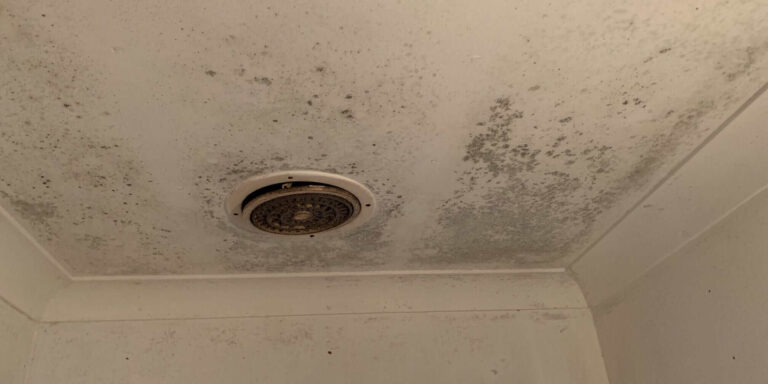
A small leak, damaged section, or insulation issue can often remain hidden for months before homeowners notice signs such as water stains, mold growth, increased energy bills, or interior damage. Smart roofing systems are changing this approach by turning roofs into intelligent building components that can monitor performance, improve energy efficiency, and help prevent costly repairs.
By combining sensors, solar technology, advanced materials, and automated monitoring, smart roofs represent the future of property maintenance. Instead of reacting to roof failures, homeowners and building managers can move toward proactive maintenance based on real-time information.
What Are Smart Roofing Systems?
A smart roofing system uses modern technology to improve the performance, monitoring, and management of a roof. Unlike conventional roofs that simply provide protection, smart roofs can collect data, detect problems, and work together with other building systems.
A complete smart roofing setup may include:
- Moisture detection sensors
- Temperature monitoring devices
- Solar energy integration
- Cool roofing materials
- Automated ventilation controls
- Weather monitoring technology
- Digital maintenance tracking systems
The goal is to increase roof lifespan, reduce maintenance costs, and improve the overall efficiency of a building.
How Roof Sensors Help Detect Problems Early
One of the biggest advantages of smart roofing technology is early problem detection. Many roofing issues become expensive because they are discovered too late.
Roof sensors can monitor conditions that are difficult for homeowners to see, including:
- Hidden moisture buildup
- Temperature changes
- Insulation performance
- Structural movement
- Water accumulation
For example, moisture sensors installed beneath roofing materials can detect water intrusion before it reaches ceilings or interior walls. This allows property owners to address small problems before they become major repairs.
Temperature sensors can also identify unusual heat patterns that may indicate poor insulation, damaged roofing materials, or areas receiving excessive heat exposure.
The Role of Solar Integration in Modern Roofing
Solar technology has become one of the most popular additions to residential and commercial roofs. However, modern solar roofing is moving beyond simple solar panels attached to existing structures.
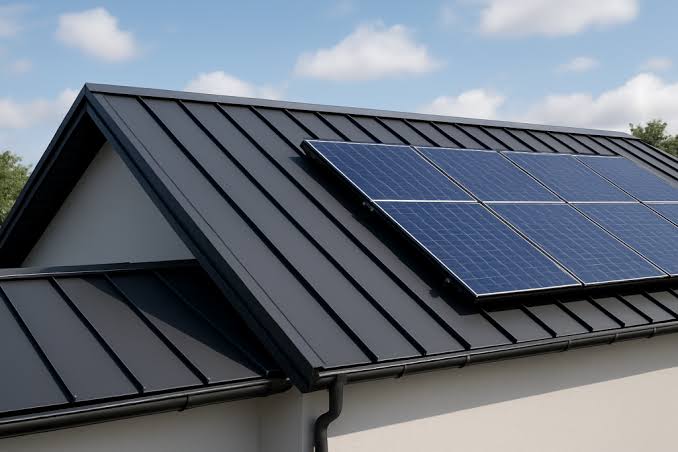
Today, homeowners can choose integrated solar solutions where energy generation becomes part of the roofing design.
Solar-integrated roofing can provide several benefits:
Improved Energy Efficiency
Solar systems help reduce dependence on traditional electricity sources by converting sunlight into usable energy. When combined with energy-efficient roofing materials, they can significantly improve overall building performance.
Better Use of Roof Space
Traditional solar panels require mounting systems that sit above the roof surface. Integrated solar solutions can create a cleaner appearance by becoming part of the roof design itself.
Smart Energy Management
Advanced solar systems can connect with home batteries, smart electrical panels, and energy monitoring platforms. These technologies allow homeowners to understand energy production and consumption patterns.
A smart roof may eventually communicate with other home systems to automatically optimize energy usage.
Cool Roof Technology and Energy Savings
Heat absorption is a major challenge, especially in warmer climates. Traditional dark roofing materials can absorb significant solar heat, increasing indoor temperatures and forcing cooling systems to work harder.
Cool roofs are designed to reflect more sunlight and absorb less heat. They commonly use:
- Reflective coatings
- Light-colored roofing materials
- Special membranes
- Advanced surface treatments
By reducing heat transfer into the building, cool roofs can improve indoor comfort and lower air conditioning costs.
This technology is especially valuable in areas with long summers and high temperatures, where cooling expenses make up a large portion of household energy bills.
How Smart Roofing Can Change Maintenance Practices
Traditional roof maintenance often follows a fixed schedule. Homeowners may inspect their roof once or twice a year or wait until visible damage appears.
Smart roofing introduces a condition-based maintenance approach.
Instead of asking, “When should we inspect the roof?” property owners can ask, “What does the roof need right now?”
A smart monitoring system can provide information about:
- When repairs may be required
- Which areas need attention
- How weather affects roof performance
- Whether materials are aging normally
This approach reduces unnecessary inspections while helping prevent unexpected failures.
Benefits of Smart Roofing Systems for Homeowners
Longer Roof Lifespan
Roof replacement is one of the most expensive home improvement projects. Early detection of problems can help extend the useful life of roofing materials.
A small issue like trapped moisture or damaged flashing can often be repaired before it affects the entire roofing system.
Lower Repair Costs
Emergency roof repairs are usually more expensive than planned maintenance. Smart systems help homeowners identify problems earlier and schedule repairs before severe damage occurs.
Better Property Value
Homes with advanced energy systems and intelligent maintenance features may become more attractive to future buyers.
As smart home technology becomes more common, buyers may consider connected roofing systems as a valuable property feature.
Improved Environmental Performance
Energy-efficient roofs reduce heating and cooling demands, which can lower energy consumption and support more sustainable living.
When combined with solar generation and efficient insulation, smart roofing contributes to greener building practices.
Challenges of Smart Roofing Technology
Although smart roofing has many advantages, there are still challenges that homeowners should consider.
Higher Initial Costs
Installing sensors, solar systems, and advanced roofing materials requires a larger upfront investment compared to traditional roofing.
However, long-term savings from reduced maintenance and energy costs may help balance the initial expense.
Technology Maintenance
Smart systems rely on electronic components, software, and connectivity. These parts may require updates or replacement over time.
Installation Complexity
Smart roofing systems usually require professionals who understand both construction and technology. Poor installation can reduce performance and create future problems.
The Future of Roof Maintenance
The future of roofing is likely to become more connected and automated. As artificial intelligence and building technology continue improving, roofs may become active participants in property management.
Future smart roofing systems could include:
- AI-powered damage prediction
- Automatic maintenance scheduling
- Drone-based roof inspections
- Self-adjusting ventilation systems
- Real-time weather response
- Integration with insurance and property management platforms
Instead of discovering roof problems after damage occurs, homeowners may receive warnings before failures happen.
Final Thoughts
Smart roofing systems represent a major change in how people think about building protection and maintenance. A roof is no longer just a barrier against weather; it can become an intelligent system that monitors conditions, improves energy efficiency, and helps protect property value.
With technologies such as sensors, solar integration, and cool roofing materials becoming more accessible, the future of roof maintenance is moving toward prevention rather than repair.
For homeowners planning renovations, new construction, or long-term property improvements, investing in smart roofing solutions could provide better comfort, lower energy costs, and a more reliable home for years to come.