Complete Jewelry Buying Guide: Gold, Silver, Diamond, Pearl, Lab-Grown Gems, Fashion Jewelry, Care Tips, and Investment Value
Jewelry has always been more than a fashion accessory. It represents personal style, celebrates important milestones, and often becomes a treasured family heirloom. Whether you’re shopping for your first gold ring, choosing a diamond engagement ring, investing in precious metals, or simply looking for stylish everyday accessories, understanding the different types of jewelry can help you make smarter purchasing decisions.
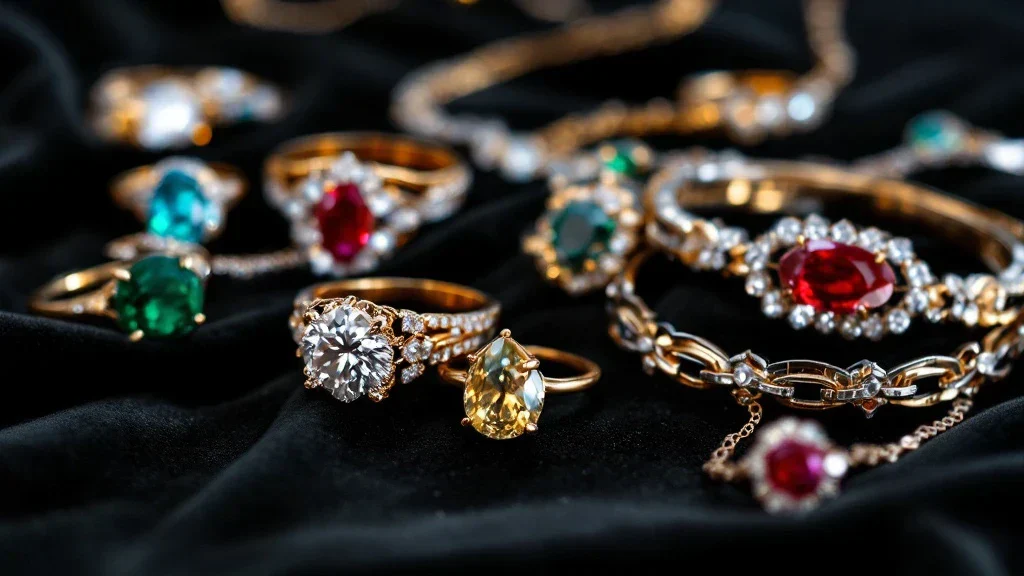
Today’s jewelry market offers endless options, from traditional gold and silver pieces to natural diamonds, cultured pearls, lab-grown gemstones, and affordable fashion jewelry. Each category has its own advantages, price range, maintenance requirements, and investment potential.
Why Buying the Right Jewelry Matters
Jewelry is often a long-term purchase. While some pieces are worn daily, others are saved for weddings, anniversaries, or special occasions. A thoughtful purchase ensures you receive value for your money while choosing something that suits your lifestyle.
The right jewelry should offer:
- Lasting beauty
- Comfortable wear
- Good craftsmanship
- Appropriate value for your budget
- Easy maintenance
- Potential resale or heirloom value
Before buying, always consider quality, authenticity, durability, and purpose.
Understanding Different Types of Jewelry
Modern jewelry falls into several major categories:
- Gold Jewelry
- Silver Jewelry
- Diamond Jewelry
- Pearl Jewelry
- Lab-Grown Gemstone Jewelry
- Fashion Jewelry
Each serves different needs and budgets.
Gold Jewelry Guide
Gold remains one of the most popular jewelry choices worldwide because of its beauty, durability, and long-term value.
Types of Gold
24K Gold
Contains 99.9% pure gold.
Pros:
- Highest purity
- Excellent investment
- Rich yellow appearance
Cons:
- Too soft for everyday jewelry
- Scratches easily
- More expensive
22K Gold
Contains approximately 91.6% gold.
Commonly used for:
- Traditional jewelry
- Wedding jewelry
- Cultural ornaments
18K Gold
Contains 75% pure gold.
Benefits include:
- Durable
- Luxurious appearance
- Perfect balance between purity and strength
Popular for engagement rings and premium jewelry.
14K Gold
Contains about 58.5% gold.
Advantages:
- Affordable
- Strong enough for daily wear
- Resistant to scratches
One of the most common choices for everyday jewelry.
10K Gold
Contains 41.7% gold.
Ideal for buyers looking for affordable gold jewelry with excellent durability.
Gold Colors
Gold is available in several beautiful shades.
Yellow Gold
The classic option that never goes out of style.
Best for:
- Traditional jewelry
- Vintage designs
- Wedding jewelry
White Gold
Mixed with white metals and coated with rhodium.
Popular because it:
- Looks modern
- Complements diamonds
- Matches contemporary fashion
Rose Gold
Made by mixing gold with copper.
Known for:
- Warm pink color
- Romantic appearance
- Vintage-inspired style
Is Gold Good for Investment?
Gold jewelry can retain value over time, especially higher-purity pieces. However, remember that jewelry prices include craftsmanship, design, and retail markup.
For pure investment purposes, gold bars and coins usually provide better value than decorative jewelry.
Silver Jewelry Guide
Silver is elegant, affordable, and incredibly versatile.
Sterling Silver
Most quality silver jewelry uses Sterling Silver.
Composition:
- 92.5% silver
- 7.5% alloy metals
Look for the “925” stamp when purchasing.
Fine Silver
Contains 99.9% silver.
Although beautiful, it’s softer than sterling silver and less suitable for everyday wear.
Advantages of Silver Jewelry
- Budget-friendly
- Lightweight
- Timeless appearance
- Easy to pair with casual and formal outfits
- Wide variety of designs
Disadvantages
Silver naturally tarnishes when exposed to air and moisture.
Fortunately, regular cleaning easily restores its shine.
Diamond Jewelry Guide
Diamonds remain the most sought-after gemstone for engagement rings and luxury jewelry.
Understanding diamond quality helps buyers avoid overpaying.
The Four Cs
Cut
Cut determines how brilliantly a diamond reflects light.
Excellent cut quality creates maximum sparkle.
Color
Diamond color ranges from D to Z.
- D-F: Colorless
- G-J: Near colorless
- K and below: Noticeable color
Near-colorless diamonds often provide the best value.
Clarity
Clarity measures internal and external imperfections.
Common grades include:
- FL
- IF
- VVS
- VS
- SI
- I
Many small inclusions are invisible without magnification.
Carat
Carat measures weight, not size.
Larger diamonds become significantly more expensive because they are rarer.
Natural vs Lab-Grown Diamonds
Natural diamonds formed underground over billions of years.
Lab-grown diamonds are created using advanced technology but have the same physical and chemical properties.
Natural Diamonds
Pros:
- Greater rarity
- Better resale demand
- Traditional appeal
Cons:
- More expensive
Lab-Grown Diamonds
Pros:
- Lower cost
- Environmentally conscious option
- Identical appearance
Cons:
- Lower resale value
- Investment appreciation remains uncertain
Pearl Jewelry Guide
Pearls have symbolized elegance for centuries.
Unlike gemstones, pearls are created naturally inside mollusks.
Types of Pearls
Freshwater Pearls
- Affordable
- Available in many shapes
- Excellent for daily wear
Akoya Pearls
Known for:
- Perfect round shape
- Bright luster
- Classic white appearance
Tahitian Pearls
Recognized by their dark natural colors.
Popular shades include:
- Black
- Green
- Gray
- Peacock
South Sea Pearls
Among the largest and most valuable pearls available.
Highly prized because of their size and luxurious appearance.
How to Judge Pearl Quality
Evaluate pearls based on:
- Luster
- Surface quality
- Shape
- Color
- Size
- Matching
Higher luster usually indicates better quality.
Lab-Grown Gemstone Jewelry
Lab-grown gemstones have become increasingly popular.
These include:
- Rubies
- Emeralds
- Sapphires
- Diamonds
- Moissanite
They possess nearly identical chemical properties to natural gemstones.
Advantages
- Lower prices
- Ethical sourcing
- Excellent quality
- Fewer visible flaws
- Larger stones for the same budget
Disadvantages
- Lower resale value
- Less rarity
- Some collectors prefer natural stones
For buyers focused on beauty rather than investment, lab-grown gems offer outstanding value.
Fashion Jewelry Guide
Fashion jewelry provides stylish designs without the high price tag.
Materials often include:
- Stainless steel
- Brass
- Copper
- Zinc alloy
- Acrylic
- Resin
- Glass crystals
- Cubic zirconia
Benefits
- Affordable
- Trendy
- Large variety
- Great for seasonal fashion
- Easy to replace
Limitations
- Shorter lifespan
- May tarnish faster
- Lower resale value
- Not always suitable for sensitive skin
Fashion jewelry is ideal for experimenting with new styles without making a major investment.
How to Choose Jewelry Based on Your Lifestyle
Different lifestyles require different jewelry.
Everyday Wear
Choose:
- 14K gold
- Sterling silver
- Platinum
- Small diamonds
- Durable gemstones
Office Wear
Minimalist pieces work best.
Examples include:
- Stud earrings
- Thin chains
- Simple bracelets
- Small pendants
Special Occasions
Luxury pieces may include:
- Diamond necklaces
- Gold bangles
- Pearl earrings
- Statement gemstone rings
Active Lifestyle
Avoid wearing expensive jewelry during:
- Sports
- Gym workouts
- Swimming
- Gardening
- Heavy lifting
This reduces damage and loss.
Jewelry Care Tips
Proper maintenance keeps jewelry beautiful for years.
Gold Jewelry Care
- Clean with mild soap and warm water.
- Use a soft cloth.
- Store separately.
- Avoid harsh chemicals.
Silver Jewelry Care
- Store in anti-tarnish bags.
- Clean regularly with silver polish.
- Keep away from humidity.
Diamond Care
- Wash using warm water and gentle soap.
- Remove lotion buildup.
- Schedule professional cleaning once or twice a year.
Pearl Care
Pearls are delicate.
Always:
- Wipe after wearing.
- Store flat.
- Keep away from perfumes.
- Avoid prolonged sunlight.
Fashion Jewelry Care
- Remove before showering.
- Avoid perfumes.
- Store in dry containers.
- Clean gently with soft cloths.
Signs of High-Quality Jewelry
Look for these features:
- Hallmarks
- Secure gemstone settings
- Smooth finishing
- Strong clasps
- Even polishing
- Quality certificates
- Trusted seller reputation
Never hesitate to request authenticity documentation for expensive purchases.
Jewelry Certifications
Certification provides confidence when buying valuable jewelry.
Common certifications include:
- Gold purity hallmark
- Diamond grading reports
- Gemstone authenticity certificates
- Pearl grading reports
Certificates help verify quality and improve resale confidence.
Jewelry Investment Value
Not every piece of jewelry increases in value.
Better Investment Choices
- High-purity gold
- Rare natural diamonds
- High-quality pearls
- Vintage jewelry
- Designer collections
- Limited-edition pieces
Lower Investment Potential
- Fashion jewelry
- Mass-produced accessories
- Synthetic costume jewelry
- Trend-based pieces
Investment value depends on rarity, craftsmanship, brand reputation, market demand, and overall condition.
Budget Planning Before Buying
Establish a realistic budget before shopping.
A helpful guideline might be:
- Under $100: Fashion jewelry and sterling silver
- $100–$500: Gold-plated, sterling silver, freshwater pearls, lab-grown gemstones
- $500–$2,000: 14K or 18K gold, quality diamonds, premium pearls
- $2,000 and above: Luxury diamonds, designer collections, investment-grade gold jewelry
Buying within your budget prevents unnecessary financial pressure while allowing you to choose quality over size.
Common Jewelry Buying Mistakes
Many buyers regret purchases because they overlook important details.
Avoid these common mistakes:
- Buying based only on appearance
- Ignoring certification
- Choosing style over comfort
- Forgetting maintenance costs
- Not comparing prices
- Purchasing without checking return policies
- Overlooking metal allergies
- Believing every gemstone is an investment
Taking your time and researching your options usually leads to a more satisfying purchase.
Final Thoughts
Buying jewelry is both an emotional and financial decision. Whether you’re choosing a timeless gold necklace, a sparkling diamond ring, elegant pearl earrings, stylish silver bracelets, lab-grown gemstones, or fashionable accessories, understanding quality, materials, craftsmanship, and long-term value helps you make a confident purchase.
The best jewelry isn’t always the most expensive. It’s the piece that matches your lifestyle, fits comfortably, reflects your personality, and provides lasting satisfaction. By comparing materials, checking certifications, maintaining your jewelry properly, and buying from reputable sellers, you’ll build a collection that remains beautiful for years while offering the best possible value for your investment.