How Climate-Adaptive Homes Are Being Designed to Handle Heat Waves, Flooding, and Extreme Weather Risks
Climate change is influencing the way homes are designed, built, and renovated. In the past, many houses were created based on traditional weather patterns, but rising temperatures, stronger storms, flooding events, and unpredictable seasons are forcing homeowners and builders to rethink residential design.
Climate-adaptive homes focus on preparing properties for changing environmental conditions while improving comfort, energy efficiency, and long-term durability. These homes are not only designed to survive extreme weather events but also to continue functioning efficiently when conditions become challenging.
From heat-resistant materials and better insulation to flood protection systems and smart technology, climate-adaptive design combines modern construction methods with practical solutions. As extreme weather becomes more common, these strategies are becoming important considerations for both new construction and home renovations.
What Is a Climate-Adaptive Home?
A climate-adaptive home is designed to respond to local environmental challenges. Instead of building a standard structure and adding solutions later, climate-adaptive design considers weather risks from the beginning.
The goal is to create homes that can:
- Stay cooler during extreme heat
- Resist water damage during floods
- Maintain indoor comfort during power outages
- Use energy more efficiently
- Reduce maintenance problems caused by weather exposure
- Recover faster after severe conditions
A climate-adaptive home does not rely on a single feature. It uses a combination of building materials, smart systems, landscaping techniques, and thoughtful planning.
Designing Homes for Extreme Heat
Heat waves are becoming one of the biggest challenges for residential properties. High temperatures can increase cooling costs, reduce indoor comfort, and put pressure on electrical systems.
Modern climate-adaptive homes use several strategies to handle extreme heat.
High-Performance Insulation
Insulation is one of the most important parts of temperature control. A properly insulated home reduces the amount of heat entering during summer and prevents indoor heat loss during colder months.
Advanced insulation materials help maintain stable indoor temperatures while reducing dependence on air conditioning systems.
Common options include:
- Spray foam insulation
- Mineral wool insulation
- Rigid foam boards
- Advanced cellulose materials
Better insulation also improves energy efficiency because heating and cooling systems do not need to work as hard.
Reflective Roofing Materials
Traditional dark roofs absorb significant amounts of solar heat. Climate-adaptive homes often use reflective roofing materials that reduce heat absorption.
Cool roofs can include:
- Reflective coatings
- Light-colored roofing materials
- Specialized energy-efficient shingles
These options help lower roof temperatures and reduce the heat transferred into living spaces.
Passive Cooling Design
Many modern homes are using passive cooling principles to reduce indoor temperatures naturally.
Examples include:
- Proper window placement for airflow
- Exterior shading systems
- Overhangs above windows
- Cross ventilation designs
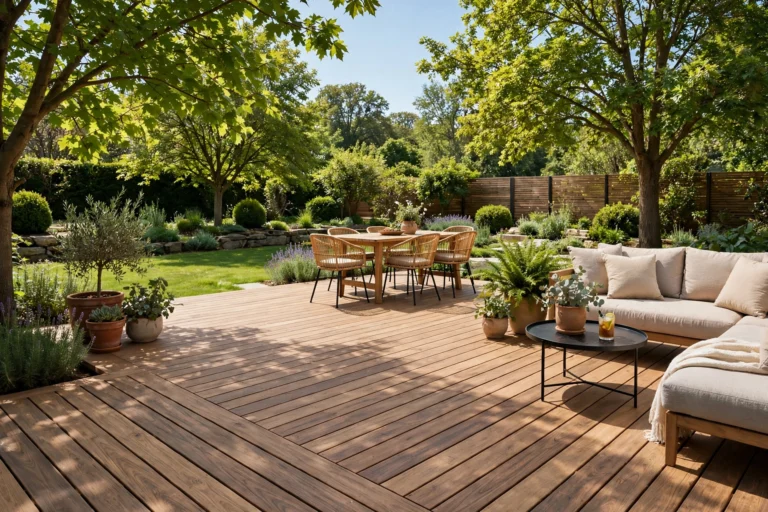
- Natural landscaping for shade
These methods reduce reliance on mechanical cooling and create more comfortable living environments.
Protecting Homes Against Flood Risks
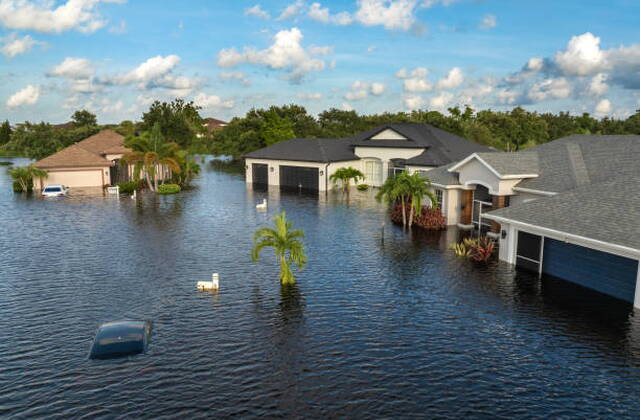
Flooding is another major concern for homeowners, especially in areas affected by heavy rainfall, rising water levels, or poor drainage.
Climate-adaptive homes use multiple strategies to minimize flood damage.
Elevated Foundations
In flood-prone areas, raising a home’s foundation can reduce the risk of water entering living spaces.
Elevated construction methods may include:
- Raised platforms
- Pier foundations
- Reinforced structures
This approach allows floodwater to move underneath the home instead of causing severe interior damage.
Water-Resistant Building Materials
Traditional materials can suffer significant damage when exposed to moisture. Climate-conscious construction often uses materials that handle water exposure better.
Examples include:
- Waterproof flooring options
- Moisture-resistant drywall
- Concrete-based exterior materials
- Treated wood products
These materials help reduce repair costs after flooding events.
Improved Drainage Systems
Proper water management around a property is essential. Climate-adaptive landscaping and drainage solutions help redirect rainwater away from foundations.
Common improvements include:
- French drains
- Rain gardens
- Permeable surfaces
- Improved grading around the property
These systems reduce standing water and protect structural components.
The Role of Smart Technology in Climate-Adaptive Homes
Technology is becoming a major part of resilient home design. Smart systems can monitor conditions and automatically respond to environmental changes.
Examples include:
Smart Thermostats
Smart thermostats can adjust heating and cooling based on occupancy, weather conditions, and energy usage patterns.
They help maintain comfort while avoiding unnecessary energy consumption.
Flood Detection Systems
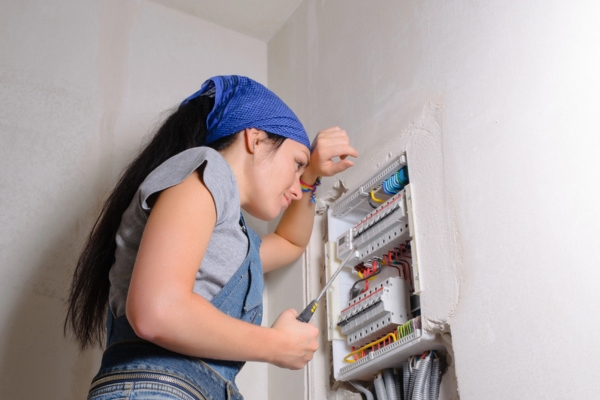
Connected water sensors can detect leaks or rising water levels before major damage occurs.
Some advanced systems can automatically shut off water supplies when unusual activity is detected.
Weather Monitoring Systems
Smart weather stations provide information about outdoor conditions and allow homeowners to prepare for incoming weather events.
These systems can help manage:
- Irrigation schedules
- Cooling requirements
- Storm preparation
Choosing Durable Materials for Changing Weather
Building materials play an important role in climate adaptation. Materials that perform well under normal conditions may not always handle extreme weather.
Modern homeowners and builders are considering:
- Impact-resistant windows
- Stronger roofing systems
- Weather-resistant siding
- Durable exterior finishes
- Long-lasting insulation materials
The focus is shifting from short-term appearance to long-term performance.
Climate-Adaptive Landscaping Solutions
The area surrounding a home can influence how well it handles extreme weather.
Smart landscaping can help manage heat, rainfall, and erosion.
Useful strategies include:
Native Plants
Native plants generally require less water and can better handle local weather conditions.
Shade Trees
Strategically placed trees can reduce direct sunlight exposure and help cool outdoor areas.
Permeable Landscaping
Traditional concrete surfaces prevent water from absorbing into the ground. Permeable materials allow rainfall to move naturally through the soil.
Examples include:
- Permeable pavers
- Gravel pathways
- Natural stone surfaces
The Financial Benefits of Climate-Adaptive Design
Some homeowners may hesitate because climate-resilient upgrades can require higher upfront costs. However, many improvements can provide long-term financial benefits.
Advantages include:
- Lower energy bills
- Reduced repair expenses
- Better property durability
- Improved indoor comfort
- Potentially higher property value
A home designed to handle environmental challenges may also become more attractive to future buyers who want lower maintenance and improved efficiency.
Challenges of Building Climate-Adaptive Homes
Although climate-adaptive design offers many benefits, there are still challenges.
Higher Initial Investment
Some materials and technologies cost more than traditional options. However, the long-term savings can offset these expenses.
Local Building Requirements
Different regions have different climate risks and construction regulations. Homeowners need solutions that match their local environment.
Lack of Awareness
Many people still focus on improving appearance rather than resilience. Education about long-term benefits is helping change this mindset.
The Future of Climate-Responsive Home Design
The future of residential construction is moving toward homes that are smarter, stronger, and better prepared for environmental changes.
Future developments may include:
- AI-powered climate monitoring systems
- Self-adjusting building controls
- Advanced energy storage solutions
- More sustainable construction materials
- Automated weather protection systems
As weather patterns continue changing, climate-adaptive homes will likely become a standard approach rather than a specialized option.
Final Thoughts
Climate-adaptive homes represent a new way of thinking about residential design. Instead of simply reacting to damage after extreme weather events, these homes are built to prepare for challenges before they happen.
Through better materials, smarter technology, efficient energy systems, and resilient construction methods, homeowners can create properties that are more comfortable, affordable to maintain, and prepared for the future.
As heat waves, flooding, and severe weather risks continue affecting communities worldwide, climate-adaptive design will play an increasingly important role in creating safer and more sustainable homes.